Plastic on Our Plates: How Colonial Food Systems Fuel Pollution and Injustice
By: Sena Isik
Last updated 05/06/2025
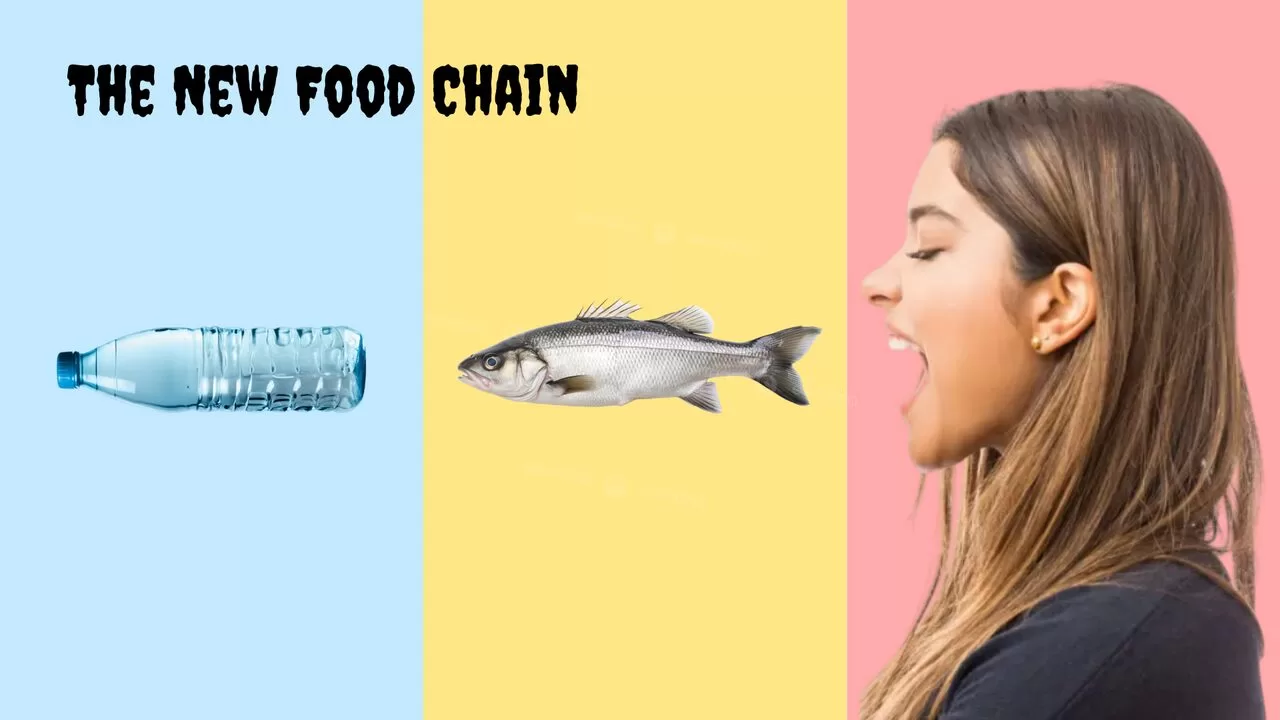
Plastic is everywhere in our food systems, from the packaging on our produce to tools used in industrial agriculture and aquaculture. While plastic offers convenience, it reflects a deeper issue: a colonial food system that prioritizes profit over people and the planet.
World Environment Day 2025 will focus on ending plastic pollution. The United Nations Environment Programme (UNEP) is working on a global treaty to eliminate plastic waste. The goal is to finalize this agreement by the end of 2025.
To move forward, we must examine how plastic has become embedded in how we grow, process, and consume food. Industrial systems rely on plastics for storage, packaging, transport, and production. These plastics break down into microplastics, enter ecosystems, and contaminate our food and drinking water. This pollution disproportionately harms low-income and racialized communities.
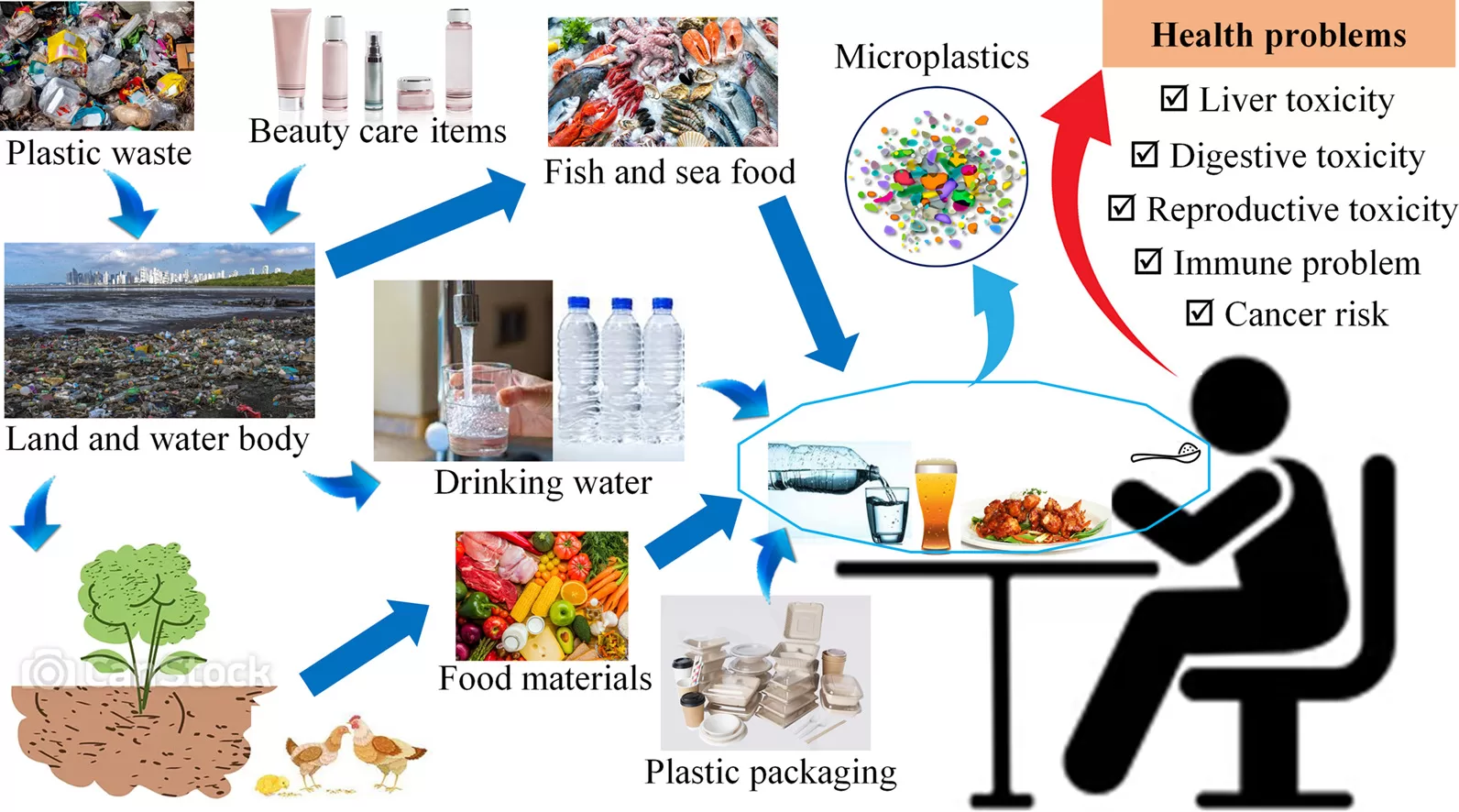
Pathways of Microplastic Exposure and Associated Health Risks | Source
Indigenous food systems, by contrast, are rooted in sustainability and guided by respect for land, water, and community. These practices emphasize seasonal harvesting, minimal waste, and ecological care. Colonialism displaced these systems in favour of extractive, plastic-dependent models.
Food pyramids reflect this divide. Industrial versions promote ultra-processed, plastic-packaged foods, while Indigenous food systems highlight whole ingredients, balance, and environmental harmony. Supporting Indigenous food sovereignty is not only respectful but a path to climate justice and resilience. To learn more, see the resources provided by the Indigenous Food Systems Network.
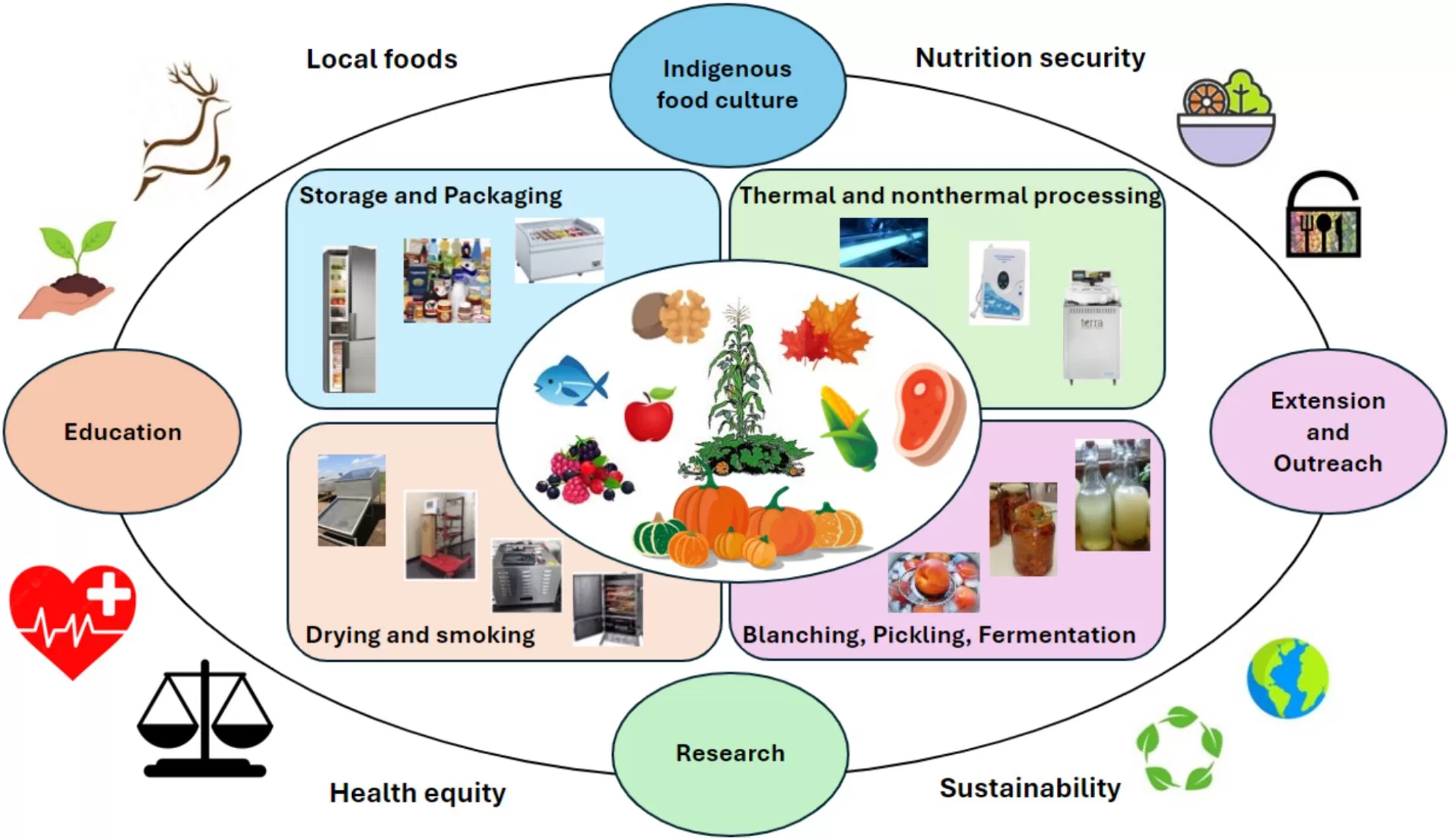
Indigenous Food Systems Promote Health, equity, and Cultural preservation. | Source
As a student, I recognize that my food choices and privileges are shaped by systems. Through this blog, I hope to raise awareness about the roots of plastic pollution and uplift sustainable solutions that are informed by Indigenous knowledge systems.
Although no Indigenous speakers have been officially announced for World Environment Day 2025, reimagining food systems through a decolonial lens remains essential. A plastic-free future begins by listening to and learning from communities long living in harmony with the earth.
Additional Resource:
Our Location
Stay Connected
Supported by

© 2023 Embark Sustainability Society All Rights Reserved. Registered Non-profit | Privacy Policy & Cookies
Our Location
Stay Connected
Supported by
© 2023 Embark Sustainability Society All Rights Reserved. Registered Non-profit | Privacy Policy & Cookies
Our Location
Stay Connected
Supported by
© 2023 Embark Sustainability Society All Rights Reserved. Registered Non-profit | Privacy Policy & Cookies